Root canals have a bad reputation. The procedure itself is usually no worse than a filling.
How long does a root canal take? A single-visit root canal typically runs 60 to 90 minutes. Molars with multiple canals can take up to two hours. Some cases are split across two appointments, with one to two weeks between them. Recovery follows a predictable arc: soreness for a day or two, mostly resolved by the end of the first week.
The details depend on the tooth, how complex the root system is, and how far the infection has progressed – and those three things can shift the timeline considerably.
Single-Visit vs. Two-Visit Root Canals
Most root canals are completed in a single appointment. That’s the standard for straightforward cases – a front tooth with minimal infection, a single canal, and no complicating anatomy.
Two-visit root canals come up in specific situations. When the infection is severe, the dentist may clean the canals and place a temporary antimicrobial dressing, then seal the tooth permanently at a follow-up appointment one to two weeks later. This gives the infection time to clear before the tooth is sealed, which reduces the chance of reinfection. Molars with complex or curved roots sometimes follow the same two-appointment approach for similar reasons – the additional visit gives the clinician more control over the outcome rather than trying to do everything in a single session.
Neither approach is better in the abstract. Single-visit treatment is convenient and works well for most cases. Two-visit treatment is more conservative when the clinical situation calls for it. Your dentist will recommend one based on what’s actually happening in the tooth – not on scheduling preference.
One thing that doesn’t change: the time you spend in the chair per visit. Whether the procedure runs in one appointment or two, each session takes roughly the same amount of time as a complex filling.
Step-by-Step: What Happens During the Appointment
The procedure moves through five stages. Most of the appointment time lands in the middle three – the cleaning and shaping stages that actually clear the infection. Knowing where the time goes tends to make the experience feel less uncertain.
Examination and X-ray (10-15 minutes)
Your dentist maps the root structure before any instruments come out – number of canals, curvature, how far the infection extends. In many cases this step happens at a prior exam appointment rather than on the day of treatment, which means the procedure itself starts faster.
Local anaesthetic (5-15 minutes)
Nothing begins until the area is fully numb. Infected teeth can be harder to anaesthetize – the acidic environment that infection creates reduces how well the medication penetrates. When that happens, your dentist works through it with additional anaesthetic or a different injection site rather than proceeding while you’re still feeling discomfort. This step occasionally runs longer than expected. It’s not skipped.
Access, cleaning, and shaping (30-75 minutes)
The bulk of the appointment. A small opening in the crown gives access to the pulp chamber; infected tissue comes out with fine files; the canals get shaped and irrigated with antimicrobial solution. A molar with four canals takes significantly longer than a front tooth with one – this is the stage where tooth location really drives the clock. Some dentists use rotary instruments; others work by hand. Either way, it can’t be compressed without compromising the result.
Sealing the canals (10-15 minutes)
Gutta-percha – a biocompatible rubber-like material – fills and seals the cleaned canals. In a two-visit case, this step is replaced with a temporary antimicrobial dressing at the first appointment and completed at the second, once the infection has had time to settle.
Temporary crown prep (15-30 minutes)
The appointment closes with a temporary filling over the access opening. A permanent crown comes later – usually two to four weeks out, once any remaining inflammation has resolved. That crown appointment adds about an hour. For the full cost picture including the crown, see our breakdown at root canal cost.
Front Tooth vs. Molar: Why the Appointment Length Differs
Tooth location is the single biggest variable in how long the procedure takes. Front teeth typically have one canal. Premolars usually have one or two. Molars have three or four – sometimes more.
Each canal has to be individually cleaned, shaped, and sealed. A front tooth root canal often runs 45 to 60 minutes in the chair. A lower molar with four canals, especially one with curved roots, can take 90 minutes to two hours. The anatomy of the individual tooth matters too – some molars have canals that branch or merge in ways that require more time to instrument thoroughly.
Access also plays a role. Back teeth are harder to reach with instruments, and keeping the mouth open for an extended period is physically tiring. Your dentist will offer breaks during longer procedures – most patients find they need them for molars more than front teeth.
If you have a cracked tooth that led to the root canal, the post-procedure considerations are somewhat different. Our guide on cracked tooth after root canal – essential steps to take covers what to watch for and how the crown timeline applies in those cases.
Recovery Timeline: What to Expect After
Most patients know what to expect before they leave the chair – and recovery tends to match that expectation. Soreness is the main thing, and it follows a predictable direction.
Day 1
Plan for two to four hours of numbness after the appointment, then soreness as sensation returns. Over-the-counter ibuprofen or acetaminophen manages it for most people. Chew on the opposite side – the temporary filling is functional but not built for heavy use, and there’s no reason to test it.
Days 2-3
Soreness usually peaks here, particularly when the surrounding tissue was already inflamed before treatment. Continuing with pain relief as needed is standard. Most patients can work and function normally at this stage. Root canal recovery doesn’t require rest – it just requires keeping pressure off the treated tooth.
Days 4-7
For most people this is when things noticeably improve. The treated tooth should feel close to normal with the temporary filling in place by the end of the week. Pain that’s still increasing at day four or five – rather than easing – is worth a call to your dentist. That’s not the expected pattern.
Full recovery
The tooth stays vulnerable until the permanent crown is placed. Hard foods, sticky foods, and anything that could dislodge the temporary filling should be avoided on that side until then. Crown placement – typically two to four weeks out – is when the tooth returns to normal function and can handle a regular chewing load.
What Can Make a Root Canal Take Longer
A few clinical situations push the timeline past what’s typical – sometimes in chair time, sometimes across additional appointments.
Severe or spreading infection
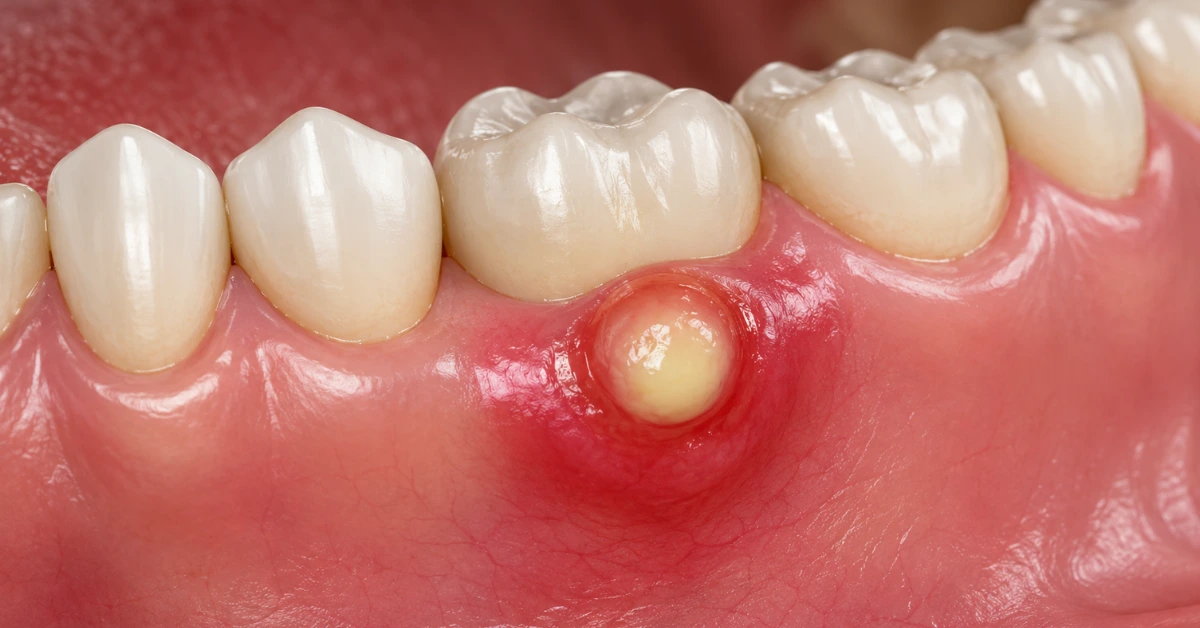
When an abscess is significant, draining it may come before the root canal itself. Antibiotics often run in parallel. Some first appointments focus entirely on infection management, with the root canal completed once things have settled – that adds a week or two to the total timeline, not extra hours to the individual session.
Curved or calcified canals
Straight canals are the exception rather than the rule. Curved ones require more careful filing to clean thoroughly without perforating the root wall, and calcified canals – partially narrowed from age or previous trauma – are harder to locate in the first place. Either situation adds chair time, and occasionally an additional appointment.
Retreatment
When a previous root canal has failed – returning pain, new infection on X-ray – the existing filling material comes out before the canals can be re-treated. That removal step makes retreatment longer than an initial root canal on the same tooth, and the outcome is less predictable. If you’re experiencing symptoms in a tooth that’s already been treated, our article on signs you need a root canal covers what to look for.
Patient factors
Sedation requirements, difficulty opening the mouth fully (trismus), or anatomical variation in the jaw can all affect how long the appointment runs. Worth mentioning to your dentist ahead of time – not because it changes whether treatment happens, but because the scheduling can account for it.
Frequently Asked Questions
How long does a root canal take from start to finish?
A single root canal appointment typically takes 60 to 90 minutes. Molar root canals with multiple canals can run 90 minutes to two hours. In two-visit cases, there are two appointments of similar length, separated by one to two weeks. The crown appointment, which comes after the root canal itself, adds another hour at a separate visit two to four weeks later.
Is a root canal done in one or two appointments?
Most root canals are completed in one appointment. Two appointments are used when the infection is severe and the dentist wants to place a temporary antimicrobial dressing before sealing the tooth, or when the root anatomy is complex enough that a second visit improves the outcome. Your dentist will determine which approach fits your situation based on the X-ray and clinical findings.
How long does it take to recover from a root canal?
Most patients feel significantly better within two to three days. Soreness typically peaks around days two or three, then fades through the rest of the first week. Over-the-counter ibuprofen or acetaminophen manages the discomfort for most people. Full recovery – meaning the tooth is protected and back to normal function – comes when the permanent crown is placed, usually two to four weeks after the root canal.
Does a molar root canal take longer than a front tooth?
Yes. Front teeth typically have one canal and take 45 to 60 minutes. Molars have three or four canals and can take 90 minutes to two hours. Each canal has to be individually cleaned, shaped, and sealed, so more canals means more time. Curved or calcified canals in molars can extend the procedure further.
Can I drive myself home after a root canal?
If you had only local anaesthetic, yes – you can drive yourself home. If you had nitrous oxide, you’ll need to wait until it’s fully cleared your system, which typically takes 15 to 30 minutes. If you had oral sedation or IV sedation, you’ll need someone to drive you home and should plan to rest for the remainder of the day. Confirm with your dentist ahead of time what type of anaesthesia or sedation will be used.
Book an Appointment at The Dental Team
If you’re dealing with tooth pain that hasn’t resolved – or if you’ve already been told you need a root canal – The Dental Team’s offices in Milton, Mississauga, and Brampton offer same-day appointments for urgent cases. Infections don’t improve with time, and the sooner a tooth is treated, the more likely it is to be saved.
For non-urgent cases, a consultation and X-ray will give you a clear picture of what’s involved, how many visits to expect, and what the full treatment timeline looks like. Explore our full range of dental services or contact The Dental Team to book.