You need a filling. Before you wonder what it will cost, here’s the honest breakdown.
Dental filling cost in Ontario ranges from around $120 to over $900. The spread comes down to material, how many tooth surfaces are involved, and how far the decay has progressed. Most people end up somewhere between $150 and $300 for a standard composite filling – and knowing what moves that number before you sit in the chair tends to make the conversation easier.
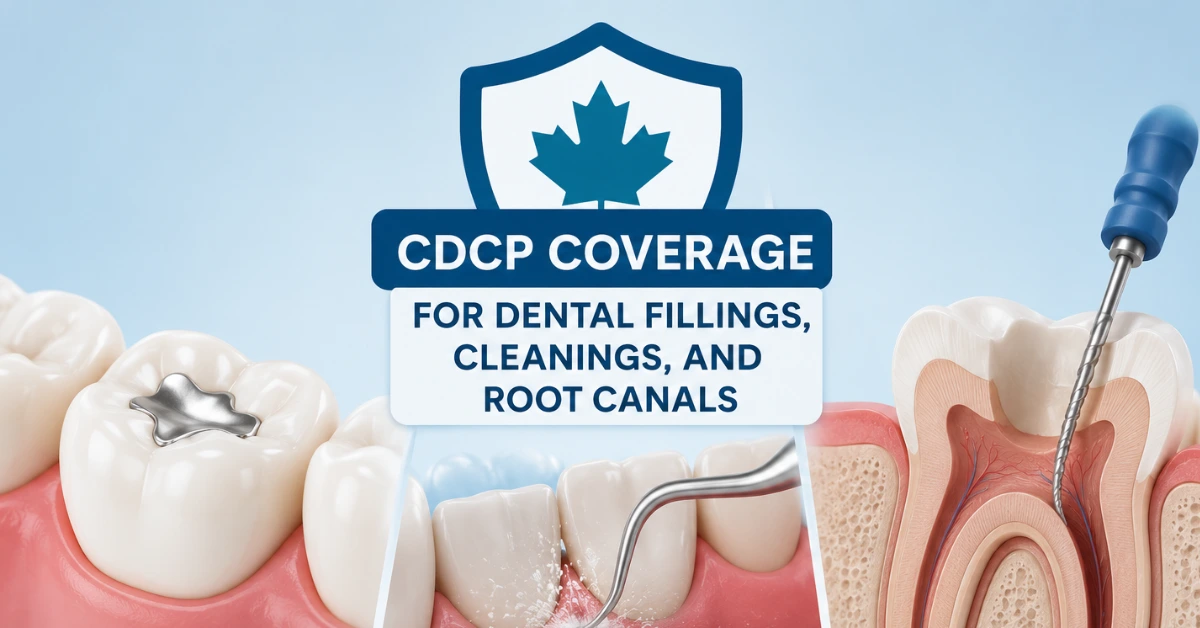
The Canadian Dental Care Plan covers fillings for eligible patients, and the cost of skipping a filling is worth knowing too. Both are covered below.
Dental Filling Costs Based on Type in Ontario (2026)
Composite resin, amalgam, and ceramic account for most fillings placed in Ontario. The price difference between them is real – and so are the trade-offs in durability, appearance, and longevity. The table below reflects current Ontario Dental Association fee guide ranges for 2026.
| Filling Type | 1 Surface | 2-3 Surfaces | Lifespan |
|---|---|---|---|
| Composite (tooth-coloured) | $150 – $250 | $250 – $400 | 7 – 10 years |
| Amalgam (silver) | $120 – $200 | $200 – $350 | 10 – 15 years |
| Ceramic inlay/onlay | $400 – $700 | $700 – $900+ | 15 – 20+ years |
A note on amalgam: it’s still placed, but less commonly than it was ten years ago. Most patients prefer composite because it blends with the tooth. Amalgam remains durable and less expensive, which makes it a reasonable option for back molars where appearance matters less and chewing pressure is highest.
Ceramic inlays and onlays sit at the top of the price range because they’re fabricated in a lab rather than placed directly. The trade-off is longevity – ceramic restorations tend to outlast both composite and amalgam when properly maintained, and they hold up better under heavy biting force. Whether that trade-off makes sense depends on the tooth’s condition and how much natural structure is still intact.
What Pushes the Price Up (or Down)
The table above gives starting points. What actually shifts the number on your treatment plan comes down to a handful of factors – some you can anticipate, some you can’t until the dentist looks.
Number of Surfaces
A single-surface cavity costs meaningfully less to fill than one that’s spread across two or three surfaces. Teeth have five in total – the chewing surface (occlusal), two sides (mesial and distal), and the cheek- and tongue-facing walls – and each additional surface involved changes what the procedure requires. A two-surface composite filling typically runs $80 to $150 more than a single-surface one. It takes longer, uses more material, and the placement itself is more involved.
Tooth Location
Back molars are harder to access and require more time to work on. A filling on a first molar takes longer than the same filling on a front tooth – some dentists reflect this in their fees, particularly for multi-surface restorations. Front teeth also carry more cosmetic weight, so composite matching may require additional care to get the colour right.
Cavity Size and Depth
A small, shallow cavity caught early costs less to fill than a large or deep one. This is the most controllable variable in the whole equation. Cavities detected at a regular exam – before they produce symptoms – are almost always smaller and simpler to treat. The cost of a dental cleaning in Ontario is a fraction of what a delayed filling ends up costing, which is the math most patients do once, and then don’t skip appointments again.
Office Location and Overhead
The ODA fee guide publishes suggested fees, but dentists aren’t required to follow it. Urban practices – particularly in the GTA – often bill at or above guide rates due to higher overhead. Suburban and smaller-city offices like The Dental Team’s locations in Milton, Mississauga, and Brampton tend to be more competitive. Call ahead to confirm fees if cost is a significant factor in your decision.
What Insurance Covers – and What CDCP Pays
Private Insurance
Most employer-sponsored dental plans cover fillings under basic restorative benefits, typically at 70% to 80% of the ODA fee guide rate. The plan’s fee schedule may cap reimbursement at a percentage of what your dentist charges. That cap often leaves a gap between what insurance pays and what you actually owe. For a $250 composite filling with 80% coverage, expect to pay around $50 out of pocket – assuming your dentist bills at guide rates.
Check your annual maximum before scheduling. Most basic plans cap at $1,000 to $2,000 per year, and if you’re mid-year with other procedures already claimed, your remaining coverage may be limited.
Canadian Dental Care Plan (CDCP)
The CDCP covers permanent fillings as a basic restorative service – no preauthorization required. This applies to both composite and amalgam fillings. The plan reimburses at its own established fee schedule, which may be different from your dentist’s fees, so there can be a gap between what CDCP pays and what the office charges.
Co-payment tiers for the 2026-2027 benefit year, based on adjusted family net income:
- Under $70,000: CDCP covers 100% of eligible costs at established CDCP rates
- $70,000 – $79,999: 40% co-payment (CDCP covers 60%)
- $80,000 – $89,999: 60% co-payment (CDCP covers 40%)
- $90,000+: Not eligible for CDCP
The benefit year runs July 1, 2026 to June 30, 2027. The Dental Team offices in Milton, Mississauga, and Brampton accept CDCP patients. Confirm your specific coverage before your appointment – the team will walk you through what’s included and what, if anything, you’ll owe out of pocket.
For a full breakdown of CDCP eligibility and covered services, see our guide to the Canadian Dental Care Plan.
The Real Cost of Not Filling a Cavity
A $200 filling feels like an expense. What comes after an untreated cavity rarely feels like a bargain in comparison.
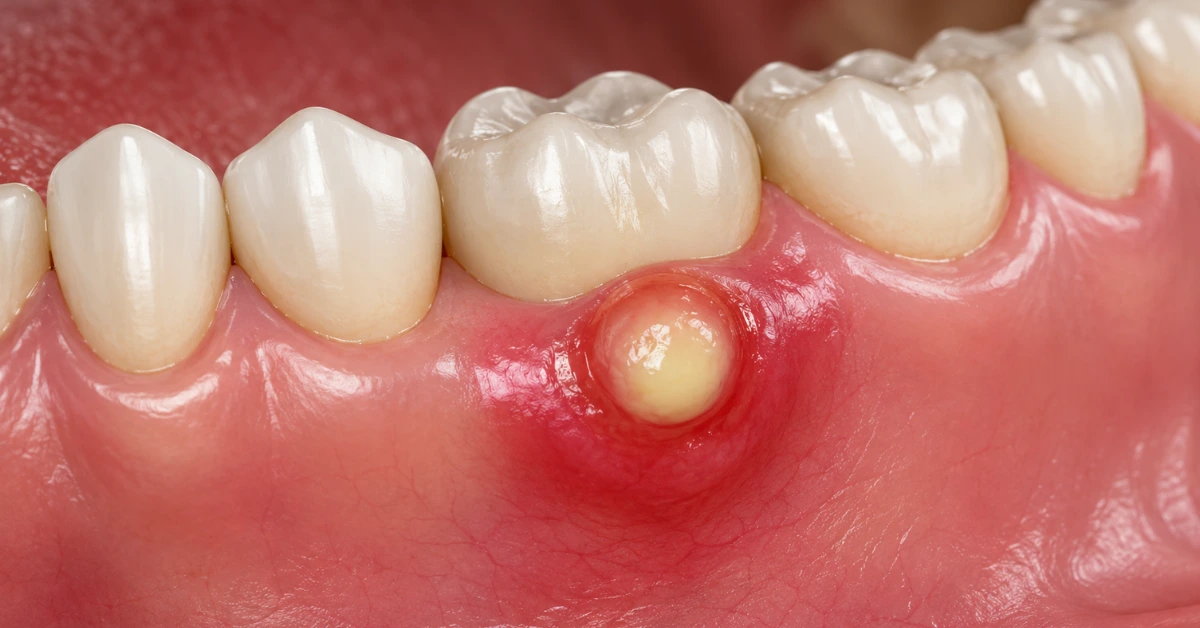
Decay doesn’t pause. A cavity that reaches the inner pulp of the tooth stops being a filling situation and becomes a root canal situation. Root canal treatment in Ontario runs $800 to $1,500 or more depending on the tooth and complexity – and most root canal-treated teeth then need a crown to protect the remaining structure, adding another $1,000 to $1,800. The filling that felt expensive at $200 looks different against a combined cost of $2,500 to $3,300.
If the decay progresses past the point of restoration, the tooth comes out instead. An extraction runs $200 to $600 – less than a root canal, but extraction without replacement isn’t a neutral outcome. Adjacent teeth shift into the gap, bone at the site deteriorates over time, and replacing the tooth with an implant typically costs $3,000 to $5,000. The math doesn’t improve with delay.
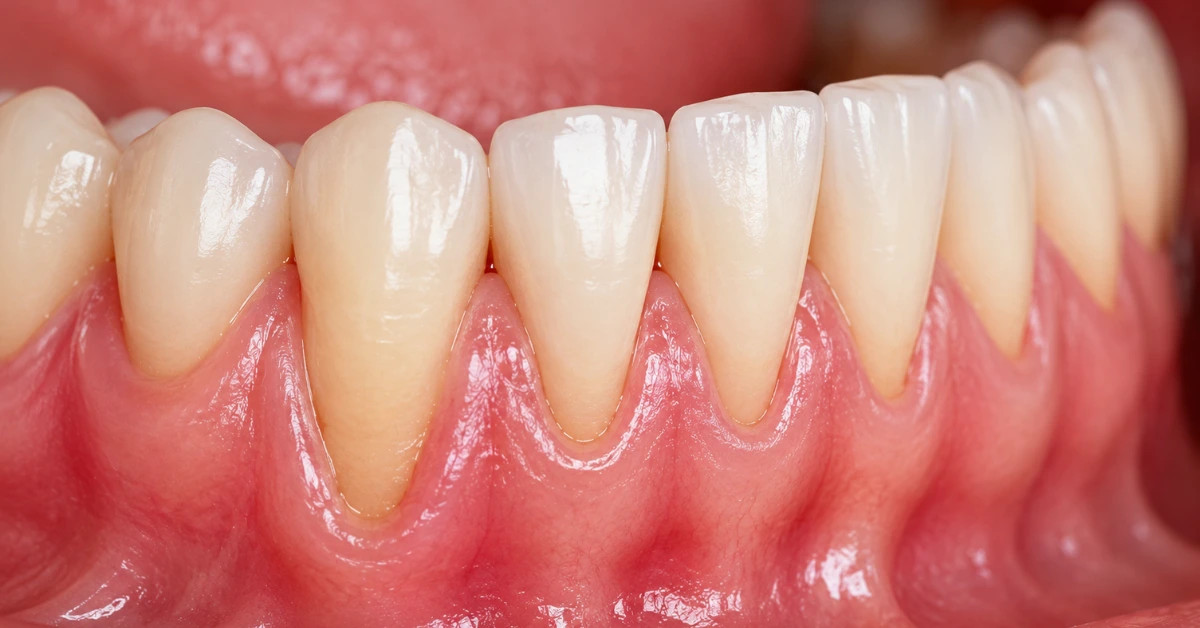
Gumline cavities follow the same pattern but move faster. Because they sit at or below the gumline, they’re harder to detect and easier to underestimate – and they reach the pulp more quickly than cavities that start on the chewing surface. If you’ve been told you have a gumline cavity, getting it filled promptly matters more than it might for a standard occlusal cavity.
None of this is meant to pressure you into a procedure. It’s the actual cost progression that happens when fillings are deferred, and most patients find it useful to see the numbers laid out clearly before deciding how to prioritize.
Frequently Asked Questions
Is a dental filling covered by CDCP?
Yes. Permanent fillings are covered under the Canadian Dental Care Plan as a basic restorative service, with no preauthorization required. Coverage applies to both composite and amalgam fillings. How much CDCP pays depends on your adjusted family net income – households under $70,000 pay nothing at the CDCP established rate, while those earning $70,000 to $79,999 pay a 40% co-payment and those earning $80,000 to $89,999 pay 60%. There may also be a gap if your dentist’s fees exceed the CDCP fee schedule.
How much is a filling without insurance in Ontario?
Without insurance, a single-surface composite filling in Ontario typically costs $150 to $250. Multi-surface fillings run $250 to $400. Amalgam fillings are slightly less expensive at $120 to $200 for a single surface. Ceramic inlays and onlays range from $400 to $900 or more. These figures reflect current Ontario Dental Association fee guide ranges for 2026, though individual practices may bill above or below those figures.
What’s the difference between composite and amalgam fillings?
Composite fillings are tooth-coloured resin that blends with the natural tooth. They’re the most common type placed today and cost slightly more than amalgam. Amalgam fillings are silver-coloured metal alloy – durable, less expensive, and well-suited for back molars where chewing pressure is highest. Composite typically lasts 7 to 10 years; amalgam can last 10 to 15 years with proper care. Both are clinically sound options. The choice usually comes down to tooth location, appearance preference, and cost.
Does the location of the cavity affect the price?
Yes, in two ways. First, back molars are harder to access and may take longer to treat, which can affect fees. Second, the number of tooth surfaces involved changes the cost – a cavity that spreads across two or three surfaces costs more to fill than one confined to a single surface. The earlier a cavity is caught, the more likely it is to involve only one surface.
How long does a filling last?
Composite fillings typically last 7 to 10 years. Amalgam fillings average 10 to 15 years. Ceramic inlays and onlays can last 15 to 20 years or longer with good oral hygiene and regular check-ups. Lifespan depends on the tooth’s location, how much force it absorbs while chewing, and whether the patient grinds their teeth. Fillings don’t last indefinitely – your dentist will check their condition at regular exams and flag any that are failing before they cause problems.
Book a Dental Exam at The Dental Team
If you’ve been told you have a cavity – or if it’s been a while since your last check-up – the most cost-effective move is getting an exam before a small problem becomes a large one. A filling caught early costs a fraction of what it costs after it’s reached the pulp.
The Dental Team’s offices in Milton, Mississauga, and Brampton accept CDCP patients and can confirm your coverage before your appointment. If you have private insurance, the team will review what’s covered and what your out-of-pocket cost will be before treatment begins – no surprises.
Explore our full range of dental services or contact The Dental Team to book an exam.