Stop letting hundreds – sometimes thousands – of dollars in dental benefits vanish at midnight on December 31st. That’s exactly what happens when you don’t use your dental insurance before the calendar resets, and I see it happen every single year to patients who could have saved themselves from painful, expensive problems down the road.
Here’s the reality: Most dental insurance benefits expire at the end of the year and do not roll over into 2026. If your plan covers $1,500 annually and you’ve only used $400, that remaining $1,100 simply disappears. Gone. And with it, your chance to catch small problems before they become expensive emergencies.
Why Your Dental Insurance Works Like a Subscription Service You’re Already Paying For
Think about it this way – you pay for dental insurance every month through your employer benefits or personal plan. Whether you use those benefits or not, that money comes out of your paycheck. When December 31st hits and you haven’t scheduled your checkup, you’ve essentially paid for a service you never used.
Dental insurance is similar to a subscription service – you’re paying for access to services, but if you don’t take advantage of them, that money is essentially wasted. The difference? This subscription could save you from problems that cost thousands of dollars to fix later.
I’ve seen patients delay their end-of-year checkups because they feel fine, their teeth don’t hurt, and they figure they can wait another few months. Then March rolls around, they bite into an apple, and suddenly they’re dealing with a cracked filling that’s turned into something much worse. That “wait and see” approach just cost them their 2025 benefits and created a 2026 problem that’s now more expensive to treat.
The True Cost of Waiting: From $250 Fillings to $2,000 Root Canals
Small dental problems don’t stay small – they grow, they spread, and they get exponentially more expensive. That tiny cavity you can’t even feel? A dental filling ranges between $174 and $363 depending on which tooth and how many surfaces need to be restored. Catch it now with your 2024 benefits, and you’re covered.
Wait until next year when it’s grown into a root canal situation? You’re looking at a completely different financial picture. The average root canal cost in Ontario is between $700 and $2100, but this may differ depending on a variety of factors. And that’s just the root canal itself.
Here’s where it gets worse – most root canals require a crown afterward, especially on molars. The average cost for a dental crown in Canada is between $900 and $1,500. Suddenly, that $250 filling you could have gotten covered this year has turned into a $1,500 to $2,300 procedure next year, and you’ve lost this year’s insurance benefits in the process.
The math is brutal but simple: delaying your checkup doesn’t save you money. It costs you the benefits you’ve already paid for, and it multiplies the expense when small problems become big ones.
What Actually Happens at a Year-End Dental Checkup
I want to address something important – many people avoid the dentist because they think a “checkup” means automatic expensive treatments. That’s not how it works. A comprehensive dental examination gives you information, and information lets you make smart decisions about your oral health.
During your year-end checkup, your dental team will:
Conduct a thorough visual examination of every tooth, checking for signs of decay, cracks, worn enamel, or structural problems that could worsen over time.
Take necessary X-rays to see what’s happening beneath the surface – cavities between teeth, bone loss, impacted teeth, or infections developing around tooth roots that you can’t see or feel yet.
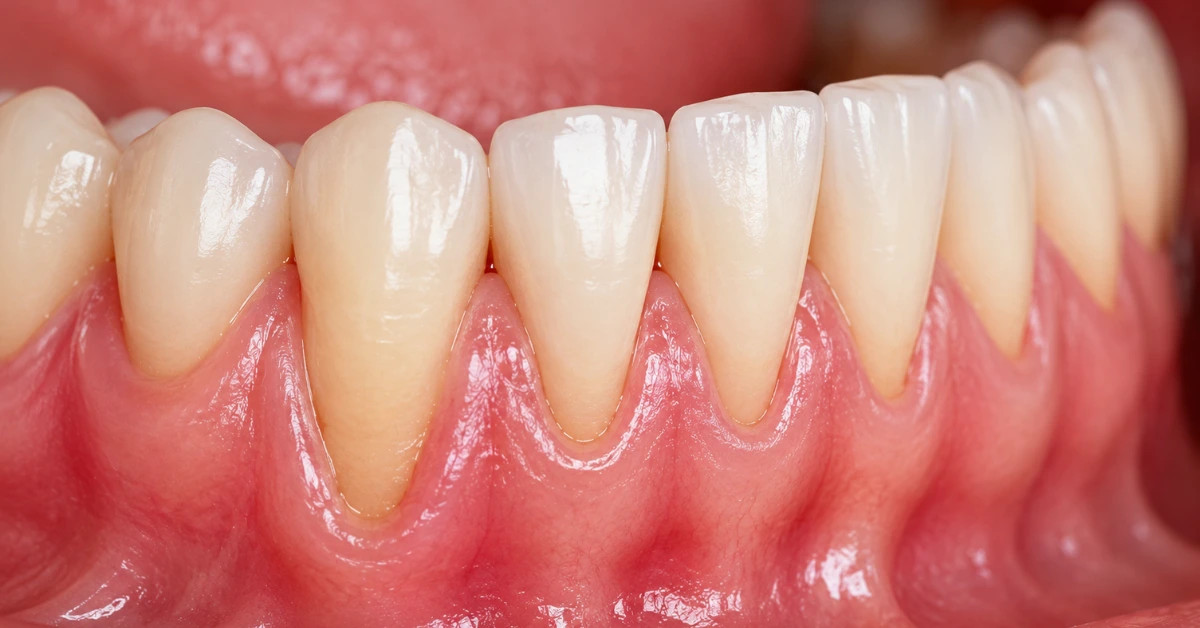
Evaluate your gum health by measuring pocket depths around teeth, checking for signs of periodontal disease, and identifying areas where home care might need adjustment.
Screen for oral cancer by examining soft tissues, checking for unusual lesions or color changes, and catching potential problems at their earliest, most treatable stages.
Assess bite alignment and jaw function to identify issues like teeth grinding, TMJ problems, or uneven wear patterns that could lead to bigger complications.
Review your overall oral hygiene and provide personalized recommendations for improving your daily routine based on what they observe.
Most importantly? This checkup helps you use those 2025 benefits before they expire while giving you a clear picture of your oral health heading into 2026.
The Canadian Dental Care Plan: Your Safety Net If Benefits Are Ending
Maybe you’re reading this and thinking, “This is great advice, but my employer benefits are ending in December” or “I’m transitioning jobs and losing coverage.” I hear you, and there’s actually a solution many people don’t know about.
A third of people living in Canada do not have dental insurance, and in 2024, one in four Canadians reported avoiding visiting an oral health professional because of the cost. That’s why the Canadian Dental Care Plan (CDCP) was created – to help fill the gap for Canadians who need coverage.
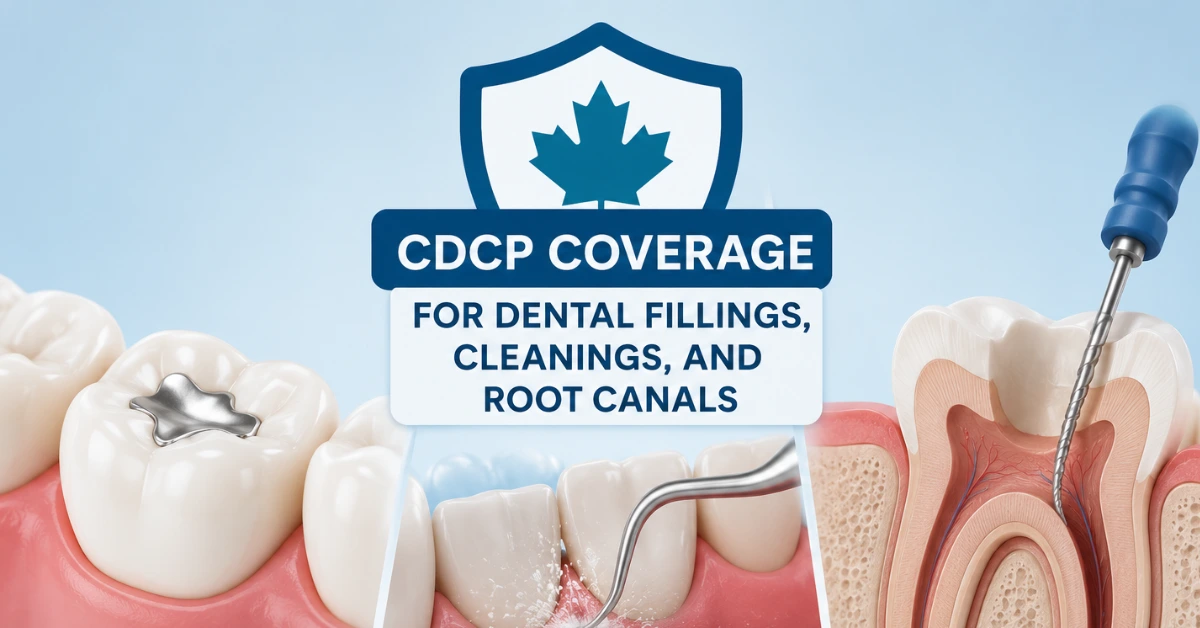
The CDCP is available to Canadian residents who meet specific criteria. Up to nine million Canadian residents with an adjusted family net income of less than $90,000 who do not have dental insurance will have access to the CDCP. This isn’t a temporary program – it’s a comprehensive insurance plan managed by Sun Life that covers preventive services, diagnostic work, restorative treatments, and more.
Here’s what makes this especially relevant right now: if your employer benefits are expiring at year-end and your household income is under $90,000 annually, you can apply for CDCP coverage. The program covers dental cleanings, examinations, X-rays, fillings, root canals, crowns, and many other essential services.
The copayment structure is straightforward and income-based. Applicants with household incomes below $70,000 will not have to pay participating dentists – Ottawa will pick up the tab for covered services. Families with incomes between $70,000 and $79,999 will see 60 per cent of service fees covered by the government, while those in the $80,000 to $89,999 income bracket have a 60 per cent copay.
Translation? Even if your current benefits are ending, you have options. But you need to act before December 31st to use what you have now, then transition to CDCP if you qualify.
Why Milton, Mississauga, and Brampton Families Need This Reminder Right Now
Living in the Greater Toronto Area means you understand the cost of everything – housing, groceries, transportation, healthcare. Dental care shouldn’t become another financial burden because you missed a deadline. The families we serve in Milton, Mississauga, and Brampton are already juggling enough expenses without letting prepaid benefits expire.
December is the busiest month for dental offices precisely because people realize what they’re about to lose. Appointment slots fill up fast as patients scramble to use benefits they’ve been paying for all year. The earlier you call, the better your chances of securing a convenient time that works with your holiday schedule.
Think about your family’s situation right now. If you have children, their benefits expire too – and kids’ dental health moves fast. In 2025, approximately 67% of employees had workplace medical or dental benefits, which means most families reading this have coverage they need to use before year-end.
Parents often focus on getting their own checkups while forgetting their kids are covered under the same family plan. A quick exam for your children can catch cavities early, check orthodontic development, and establish baseline health records – all covered under benefits that disappear in three weeks.
The Hidden Risks of Postponing Your Dental Visit
Beyond the financial waste of unused benefits, there’s a health cost to avoiding your year-end dental visit. Oral health problems rarely announce themselves with pain in the early stages. By the time something hurts, it’s often progressed significantly.
Poor oral health can lead to respiratory disease, diabetes complications, cardiovascular disease, stroke, cancer, pregnancy complications, life-threatening infections, and greater mortality from all causes. Your mouth isn’t separate from the rest of your body – infections that start in your teeth can spread to your bloodstream, affecting your heart, brain, and other vital organs.
I’m not trying to scare you – I’m trying to give you the full picture. That checkup you’re considering postponing until “after the holidays” or “when things slow down” isn’t just about preventing expensive dental work. It’s about catching problems that affect your overall health, your ability to eat comfortably, your confidence when you smile, and your quality of life.
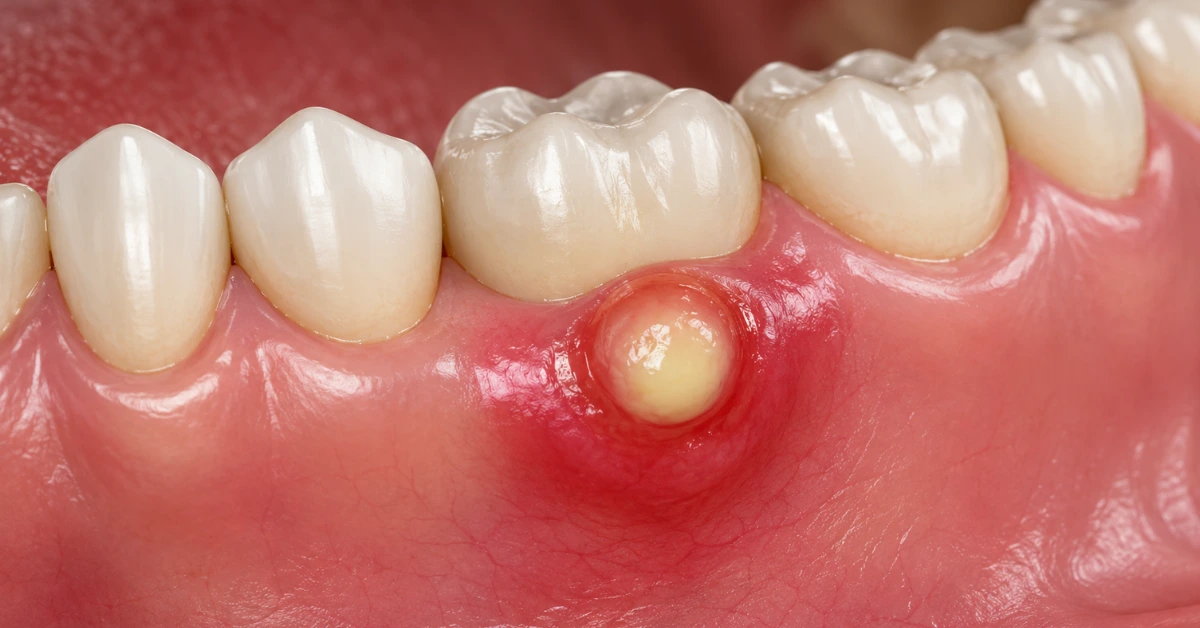
Dental problems also have a nasty habit of flaring up at the worst possible times. You know when most dental emergencies happen? Weekends. Holidays. Family vacations. Late Friday afternoons when you’re about to leave town. The tooth that’s been “fine” for months suddenly develops an abscess the day before your flight to visit family.
A year-end checkup identifies those ticking time bombs before they explode during your Christmas dinner or while you’re traveling. Your dentist can spot teeth that are at risk, create a treatment plan, and prevent emergency situations that cost more, hurt more, and ruin important moments.
How to Maximize Your Remaining 2024 Benefits
If you’re ready to take action – and you should be – here’s exactly what to do before December 31st:
Call your dental office immediately to schedule an appointment. Don’t email. Don’t wait to “check your calendar first.” Phone calls get faster responses and better appointment availability.
Ask about your insurance coverage status when you call. Most dental offices can look up your remaining benefits, annual maximum, and what services are covered under your current plan.
Request a comprehensive exam with X-rays if you haven’t had one recently. This gives you the most complete picture of your oral health and helps identify any issues that need addressing before your benefits reset.
Discuss any concerns you’ve been ignoring – sensitivity, occasional pain, visible chips or cracks, bleeding gums, or anything else you’ve been meaning to mention. Now is the time.
Get treatment plans for needed work and ask about timing. Some procedures can be split between benefit years strategically – start a root canal and crown in December using 2025 benefits, complete it in January using 2026 benefits.
Inquire about CDCP eligibility if your benefits are ending. The dental team can help you understand the application process and what documentation you’ll need.
Ask about flexible payment options if you need work done beyond your insurance coverage. Many offices offer payment plans, third-party financing, or Health Spending Account options.
The key is acting now – not next week, not after the holidays, now. December appointment slots are filling up as you read this. Every day you wait reduces your chances of getting the convenient time slot you want.
Special Considerations for Families Transitioning Between Jobs
Job transitions are complicated enough without worrying about dental coverage gaps. If you’re changing employers, getting laid off, or retiring, your dental benefits typically end on your last day of employment or at the end of the month.
This creates a critical window. You need to use your current benefits before they expire, then secure new coverage before problems develop during the gap period. Many people don’t realize they can apply for CDCP while transitioning between jobs – you don’t need to wait until you’re completely without coverage to start the application process.
For families where one spouse is losing benefits, check if the other spouse’s employer plan allows you to add family members during a qualifying life event. Job loss typically qualifies, but you usually have a limited enrollment window.
Review your current plan details carefully – some employers extend benefits for a grace period after termination, while others cut off immediately.
Schedule essential appointments before your last day to maximize coverage you’ve already paid for through payroll deductions.
Get copies of all dental records and X-rays before changing providers – this documentation helps your new dentist understand your oral health history.
Research CDCP eligibility based on your family income and household situation. The program has specific income thresholds and restrictions on accessing other insurance.
Consider COBRA-style benefit extensions if your employer offers them, but run the cost-benefit analysis carefully – extended benefits are expensive.
Don’t skip dental care during transition periods – that’s when small problems become emergencies that cost significantly more to address.
The worst scenario? Losing your benefits on December 31st, developing a dental problem in January, and discovering you don’t qualify for CDCP because your previous year’s income was too high. Use what you have now while exploring your options for continuous coverage.
What Your Dental Insurance Actually Covers Before It Expires
Not all dental services are created equal in the eyes of insurance companies. Understanding what your plan covers – and to what extent – helps you prioritize treatments before year-end.
Most dental insurance plans follow a tiered structure:
Preventive care (usually covered at 100%) includes routine exams, cleanings, fluoride treatments, and diagnostic X-rays. These are your “use them or lose them” benefits – they cost you nothing out of pocket and prevent expensive problems later.
Basic restorative work (typically 70-80% coverage) encompasses fillings, simple extractions, emergency pain relief, and non-surgical periodontal treatments. If you need a filling, getting it done now uses this year’s coverage percentage.
Major procedures (often 50% coverage) include root canals, crowns, bridges, dentures, and surgical extractions. These eat into your annual maximum quickly, which is why strategic timing matters.
Orthodontic care (varies widely) may have separate lifetime maximums or specific coverage percentages depending on your plan.
Check your specific plan – some provide enhanced coverage for certain services or have specific waiting periods for major work. If you’re close to your annual maximum, prioritize the treatments with the lowest coverage percentage. Getting a crown done at 50% coverage this year is better than paying 100% out of pocket next year while you rebuild benefits.
The Dental Team’s Commitment to Year-End Care
Our locations in Milton, Mississauga, and Brampton exist to serve families like yours – families who work hard, pay their insurance premiums, and deserve to use every benefit they’ve earned. We’re not here to push unnecessary treatments or manufacture problems that don’t exist.
What we are here for is helping you understand what’s happening in your mouth, what risks you’re facing, and what options you have to address them. We want you to use your 2025 benefits wisely before they expire. We want to help you transition smoothly if your coverage is changing. And we want to be your partner in maintaining oral health that supports your overall wellbeing.
We’ve extended our December hours specifically to accommodate year-end appointments. We can verify your insurance benefits, create treatment plans that maximize coverage, and help you coordinate care across the calendar year transition. If you qualify for CDCP, we’ll guide you through the application process and explain what your new coverage includes.
This isn’t about adding pressure during an already busy season. It’s about making sure you don’t leave money on the table and problems in your mouth. The families we serve deserve better than letting benefits expire unused while preventable problems grow worse.
Your Next Steps Before December 31st
You’ve read this far, which means you understand the stakes. Now comes the easy part – actually taking action.
Pick up your phone right now. Yes, right now – not after you finish this article, not after you check your calendar, not after the holidays. Call The Dental Team at any of our convenient locations and schedule your year-end checkup.
Tell them you need to use your 2025 benefits before they expire. Ask about appointment availability in the coming weeks. Bring your insurance card and any questions about your coverage or oral health.
If you’re transitioning between jobs or insurance plans, mention that during your call. We can help you strategize the timing of treatments to maximize both your current and future coverage.
For families without current dental insurance who earn less than $90,000 annually, ask about CDCP eligibility during your appointment. We can explain the program, help you understand if you qualify, and guide you through the application process.
The clock is ticking on your 2025 benefits. Three weeks from now, everything you’ve paid for all year disappears. That free checkup you’re entitled to? Gone. The coverage for that filling you’ve been meaning to get? Vanished. The X-rays that could catch problems early? Expired.
Don’t let another year of dental benefits go to waste. Don’t turn a $250 problem into a $2,000 emergency. Don’t leave your family’s oral health to chance when you have coverage designed to protect it.
Contact The Dental Team for more information about compassionate dental care services. Your smile – and your wallet – will thank you.
FAQs About Dental Benefits
??
Respuesta