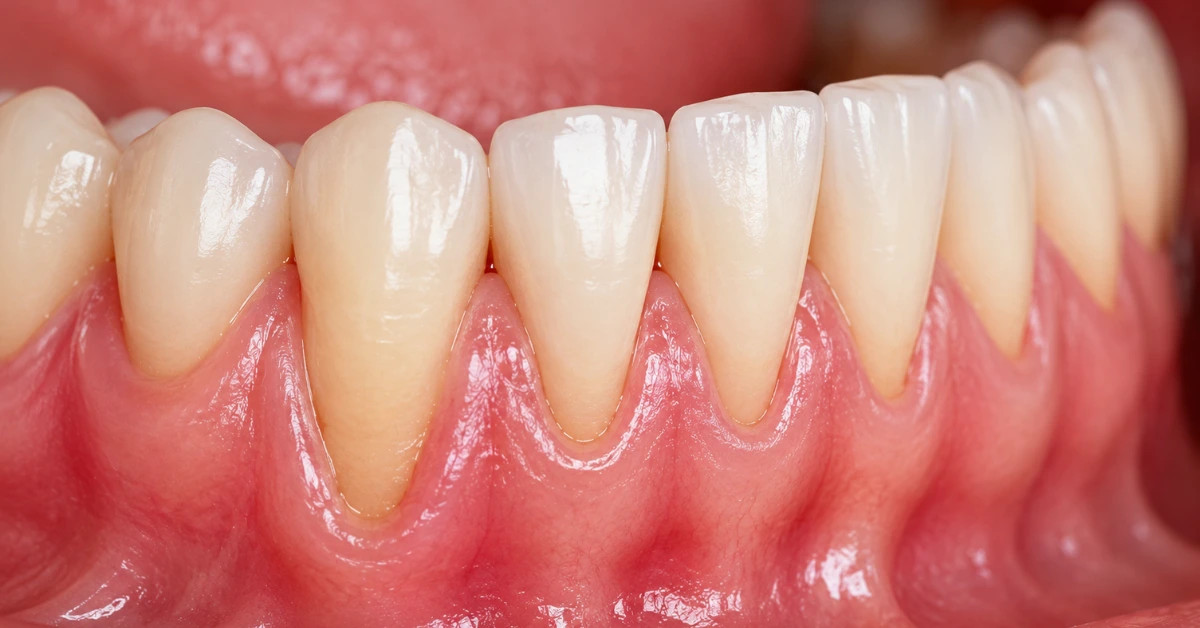
You had a cavity treated, but now drinking cold water or chewing makes the tooth uncomfortable. Does that mean something is wrong with the filling?
Mild tooth sensitivity after a filling can happen and should gradually improve. Pain when biting, an uneven bite, lingering temperature pain, or worsening symptoms deserve a call to your dentist. The cause cannot be determined from symptoms alone.
This guide explains what to watch for, how to manage discomfort, and what happens at a follow-up appointment.
Is Tooth Pain After a Filling Normal?
Some temporary sensitivity can follow dental treatment because the tissues inside the tooth become irritated. A brief reaction to cold is different from pain that continues after the drink is gone, starts without a trigger, or becomes increasingly intense.
The American Association of Endodontists’ guide to tooth pain identifies temporary sensitivity as a possible response to recent dental work. It also recommends evaluation for sharp pain when biting.
When describing your symptoms, pay attention to three things:
- The trigger: Does it happen with cold drinks, chewing, or nothing at all?
- The duration: Does it stop quickly or continue afterward?
- The trend: Is it getting better, staying the same, or becoming worse?
You do not need to decide for yourself whether the pain is “normal” before contacting your dental office.
How Long Does Sensitivity After a Filling Last?

Minor sensitivity often settles within one to two weeks, although recovery varies. Some teeth remain sensitive for several weeks, particularly after deeper fillings. Cleveland Clinic’s dental filling guidance describes temporary sensitivity and gum soreness as possible effects of treatment.
A recovery timeline is not a reason to put up with worsening pain. Follow your dentist’s specific instructions and contact the office if symptoms are not improving, interfere with eating, or concern you.
For a broader explanation of treatment, read our guide to the cavity filling procedure and aftercare.
Why Does My Tooth Hurt After a Filling?
Temporary irritation after treatment
Removing decay and restoring the tooth can leave it temporarily sensitive. This may be more noticeable after a deep filling.
Mild gum or jaw soreness can also occur around the treated area. Let your dentist know if discomfort persists or is difficult to manage. Aster Hospitals’ filling aftercare instructions advise contacting the dentist when symptoms persist, fail to decline, or become unmanageable.
A filling that affects your bite
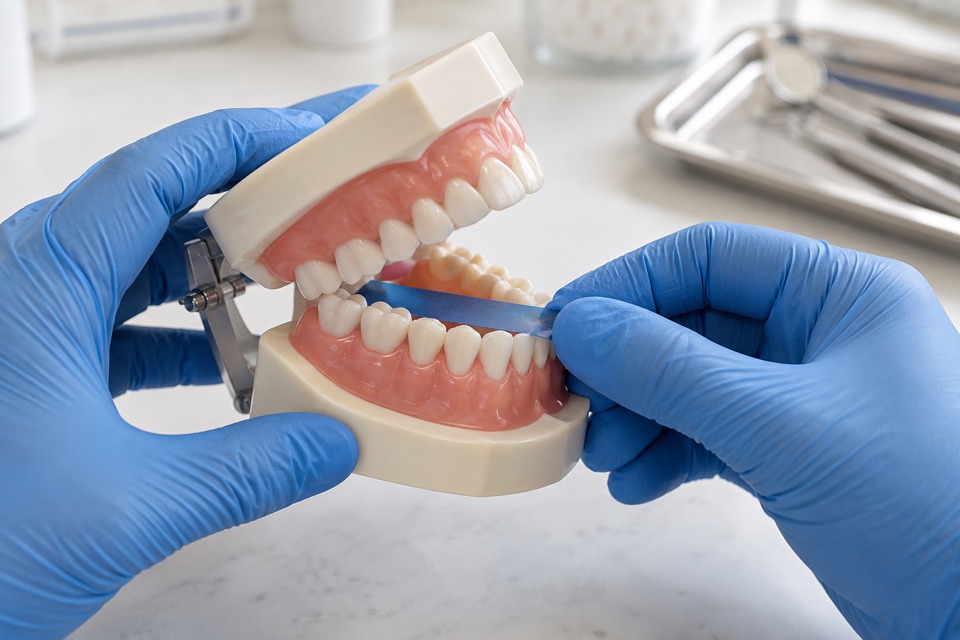
If the restored tooth seems to touch before your other teeth, the filling may be interfering with your bite. This can cause discomfort when you close your mouth or chew.
Your dentist can check how the teeth meet and adjust the filling if necessary. Do not try to file it down yourself or assume you need to wear it down by chewing. Pain on biting warrants an assessment. Cleveland Clinic identifies bite interference as one possible cause of pain after a filling.
Inflammation inside the tooth
The pulp is the soft tissue inside your tooth that contains nerves and blood vessels. Deep decay or a crack can affect this tissue.
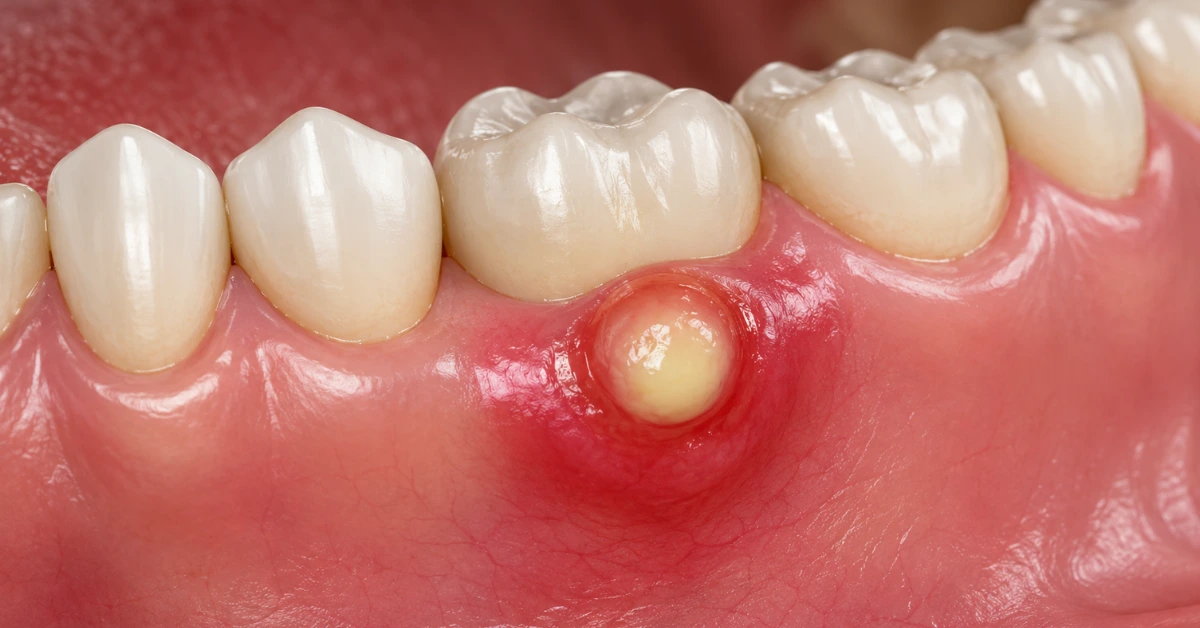
If the pulp is inflamed or infected and cannot recover, additional treatment may be needed. A filling restores the damaged tooth structure, but it does not treat every problem inside the tooth. The American Association of Endodontists explains how pulp inflammation and infection are treated.
Pain after a filling does not automatically mean you need a root canal. Your dentist needs to examine the tooth before recommending treatment.
A damaged filling or another dental problem
A filled tooth can also develop pain later. Possible causes include a worn restoration, a fracture, or new decay. Sensitivity may also come from exposed roots or gum problems rather than the filling itself. The American Dental Association outlines these causes of sensitive teeth.
If part of the restoration has come away, see our guide to what to do when a filling breaks or falls out.
Tooth Pain After a Filling: When Should You Call?
Use the following guide to help describe the problem when you contact your dentist. It cannot diagnose the cause.
| What you notice | Recommended next step |
|---|---|
| Mild, brief sensitivity that is steadily improving | Follow your aftercare instructions and contact the office if improvement stops or you are concerned. |
| The tooth feels taller or your bite feels uneven | Contact your dentist promptly for a bite check. |
| Sharp pain when chewing | Arrange an assessment rather than repeatedly testing the tooth. |
| Pain that lingers after hot or cold, or begins without a trigger | Contact your dentist promptly and describe the pattern. |
| A chipped, loose, or missing filling | Contact the office for advice and an examination. |
| Swelling, fever, or severe worsening pain | Seek urgent dental care. |
A bad taste, facial swelling, and fever can occur with a dental abscess, which needs urgent treatment. Difficulty breathing or swallowing, major swelling inside the mouth, or swelling around an eye requires immediate emergency medical attention. In Canada, call 911 or go to an emergency department. These warning signs are described in the NHS guidance on dental abscesses.
For urgent dental symptoms, contact The Dental Team about emergency dental care.
How to Ease Discomfort While Waiting for Advice
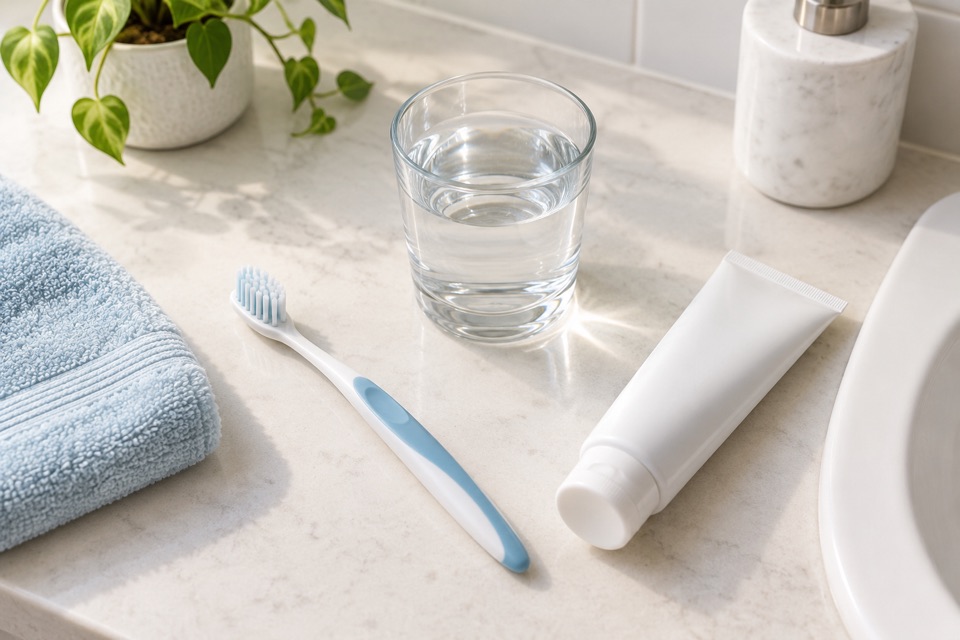
Follow the instructions provided at your appointment. If you are waiting to speak with your dentist, these measures may help:
- Choose comfortable foods. Soft foods and lukewarm drinks may be easier to tolerate. Avoid foods or temperatures that trigger pain.
- Keep your mouth clean. Brush gently with a soft toothbrush and continue cleaning between your teeth as instructed.
- Ask about sensitivity toothpaste. It may help some types of sensitivity, but it does not correct a bite problem or repair a damaged filling. The American Dental Association notes that desensitizing toothpaste generally needs repeated use.
- Check which pain reliever is suitable for you. Ask your dentist or pharmacist, especially if you take other medicines or have medical conditions. Follow the package directions and do not exceed the recommended dose.
Soft foods, gentle brushing, and avoiding very hot or cold foods are also among the NHS measures for managing dental pain while awaiting treatment.
Do not keep chewing on the tooth to see whether it still hurts. Relief from avoiding a trigger does not explain why the pain is happening.
What Will the Dentist Check?

A follow-up appointment starts with your description of the pain. Tell the dentist when the filling was placed, when symptoms began, and whether the tooth hurt before treatment.
It helps to bring specific observations:
- “Cold water causes a quick twinge.”
- “The pain continues after I finish drinking.”
- “This tooth seems to touch first when I close my mouth.”
- “It was comfortable for a while, then started hurting again.”
Your dentist will examine the tooth and restoration and may take an X-ray if needed. Treatment depends on the findings rather than the symptom alone. Cleveland Clinic’s toothache guidance explains the examination and treatment process.
If you want to understand how restorations protect damaged teeth, explore The Dental Team’s dental filling services.
Frequently Asked Questions About Pain After a Filling
Why does my tooth hurt when I bite down after a filling?
A filling that interferes with your bite is one possibility. A crack, loose restoration, or pulp problem can also cause biting pain. Contact your dentist so they can identify the cause rather than assuming an adjustment is all that is needed.
Can a deep filling take longer to settle?
Yes. Sensitivity after a deep filling can last longer, but symptoms should be discussed with your dentist if they persist or fail to improve. The depth of the filling does not make severe or worsening pain something to ignore.
Does sensitivity mean the filling failed?
Not necessarily. Temporary sensitivity can follow treatment even when the restoration is intact. Persistent symptoms need evaluation to determine whether the tooth, the filling, or another issue needs attention.
What if the tooth starts hurting months after the filling?
Arrange a dental appointment. New pain after a comfortable period should not simply be treated as recovery from the original procedure. Make a note of what triggers it and whether the filling feels different.
Will I need a root canal?
Symptoms alone cannot answer that. Root canal treatment may be recommended when the pulp is affected by inflammation or infection that requires treatment. Your dentist will assess the tooth and explain the options.
Get Help for a Painful Tooth After a Filling
You should not have to guess whether your tooth needs another look. If sensitivity is lingering, chewing hurts, or your bite feels different, contact your dental office and describe what has changed.
The Dental Team serves patients in Brampton, Mississauga, Milton, and Vaughan/Maple. Find your nearest Dental Team location to discuss your symptoms and arrange an assessment.
Still having pain after a filling?
Tell us what you are feeling and when it started. Contact The Dental Team to request an appointment and have your tooth and bite assessed.